
Date
Speaker(s)
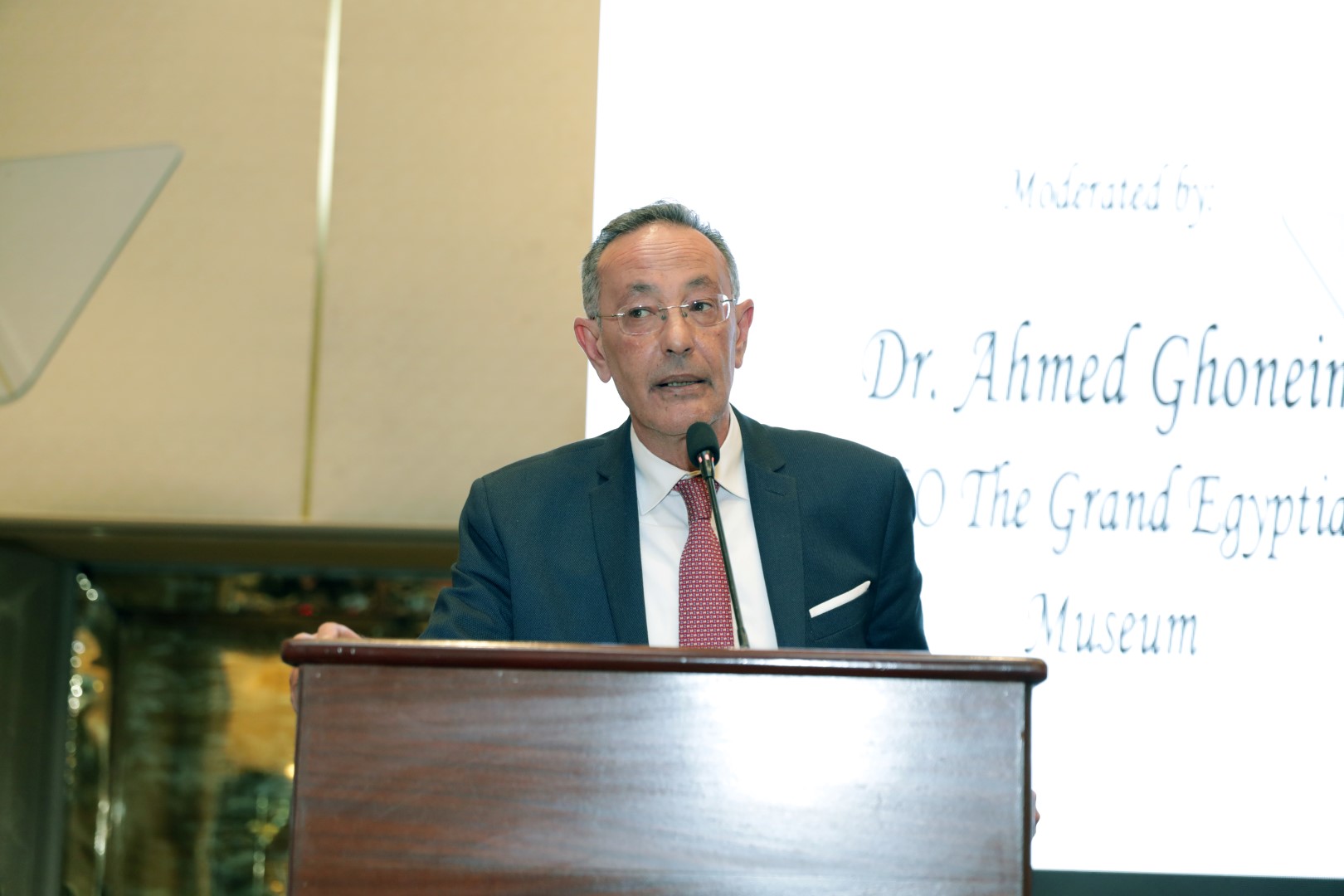
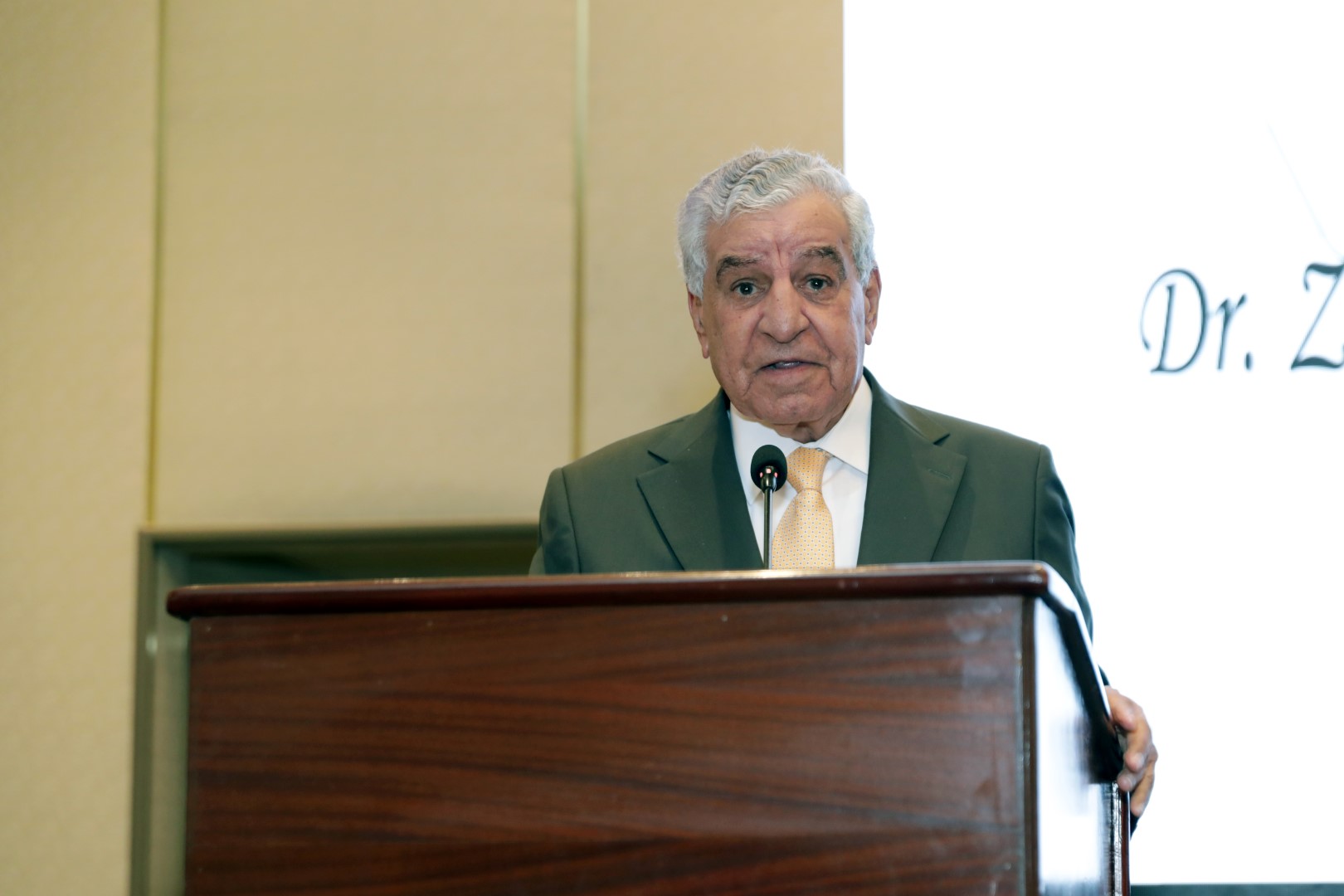
Dr. Ahmed Ghoneim - CEO The Grand Egyptian Museum
Invitation
Description
Aligned with Egypt’s vision to lead the global tourism sector, recent archaeological discoveries are transforming our understanding of its ancient civilization. Hidden chambers, intricate hieroglyphs, and rare artifacts are revealing the lives and traditions of the pharaohs, captivating scholars and visitors alike.
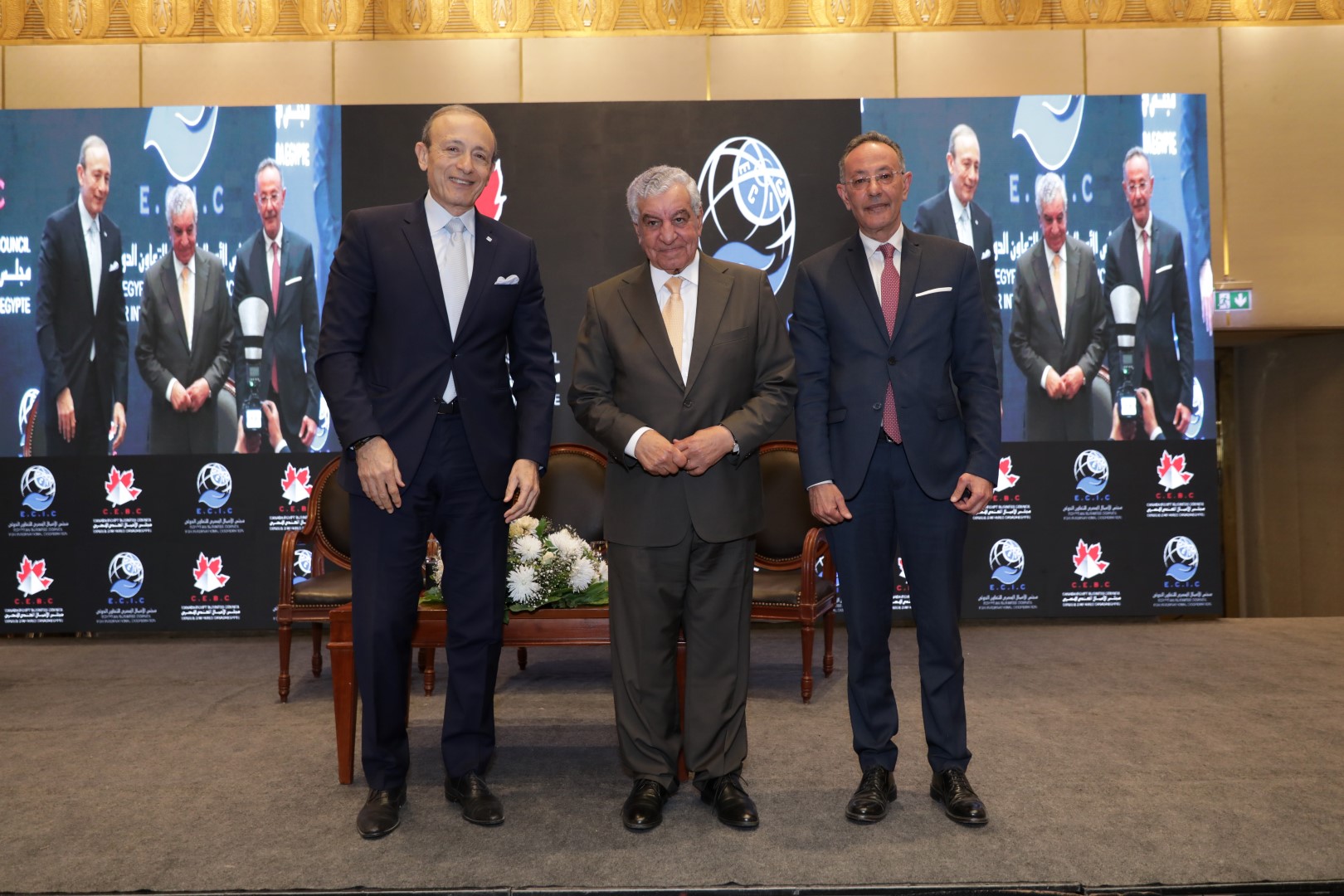
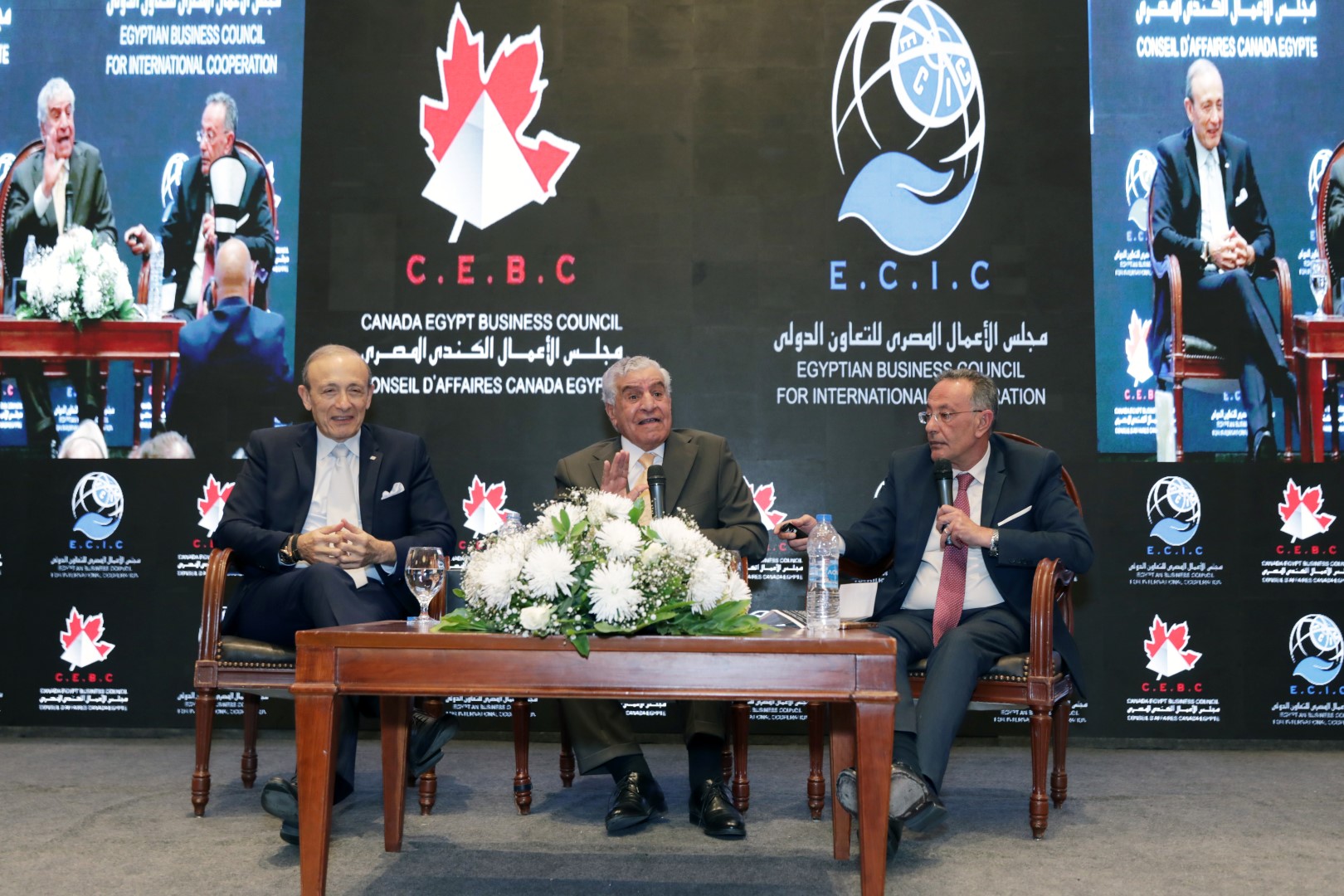
In this context, the Canada Egypt Business Council (CEBC) and the Egyptian Business Council for International Cooperation (ECIC) had the honor of hosting the Egyptian archaeologist Dr. Zahi Hawass, and Dr. Ahmed Ghoneim, Chief Executive Officer of the Grand Egyptian Museum Authority.
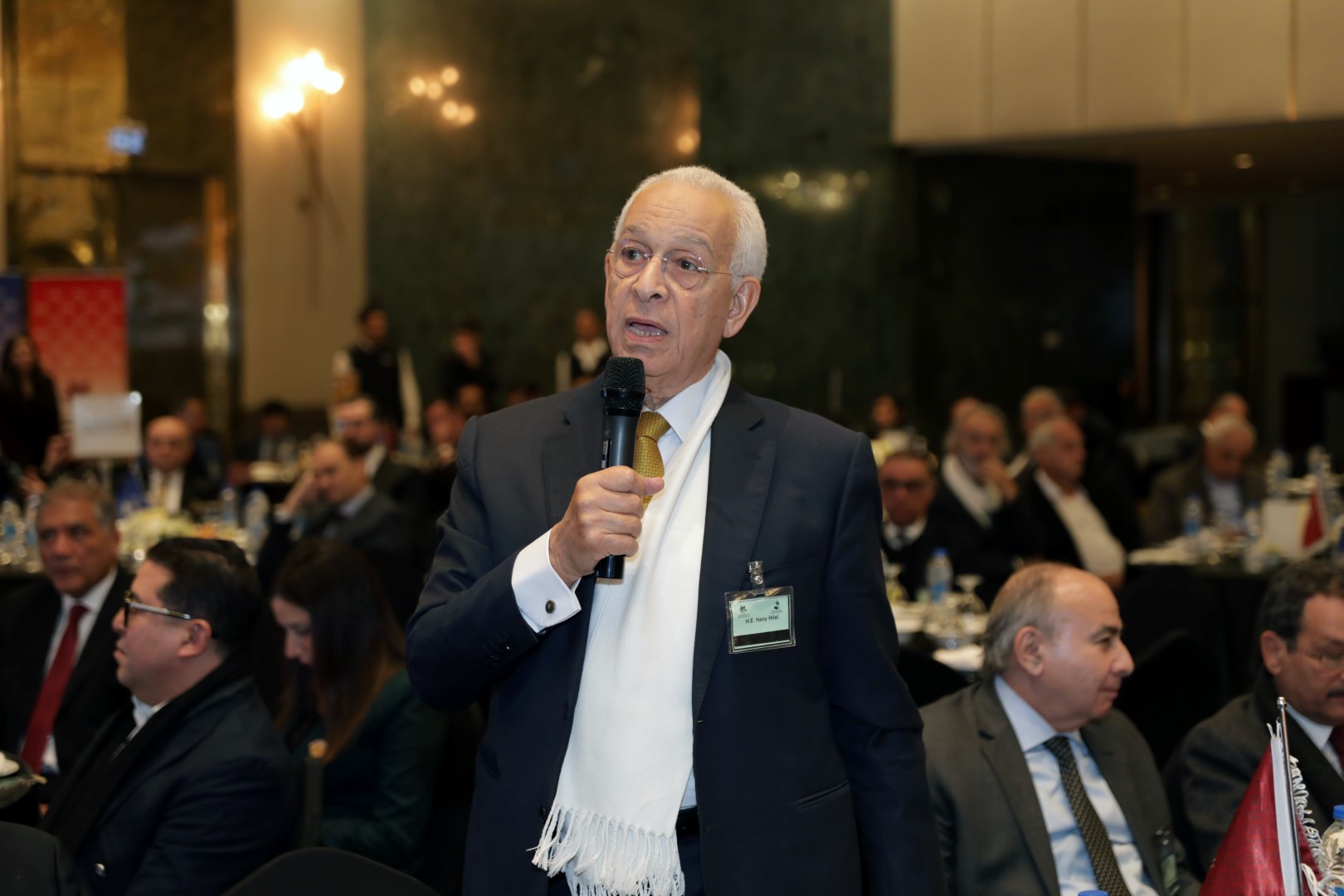
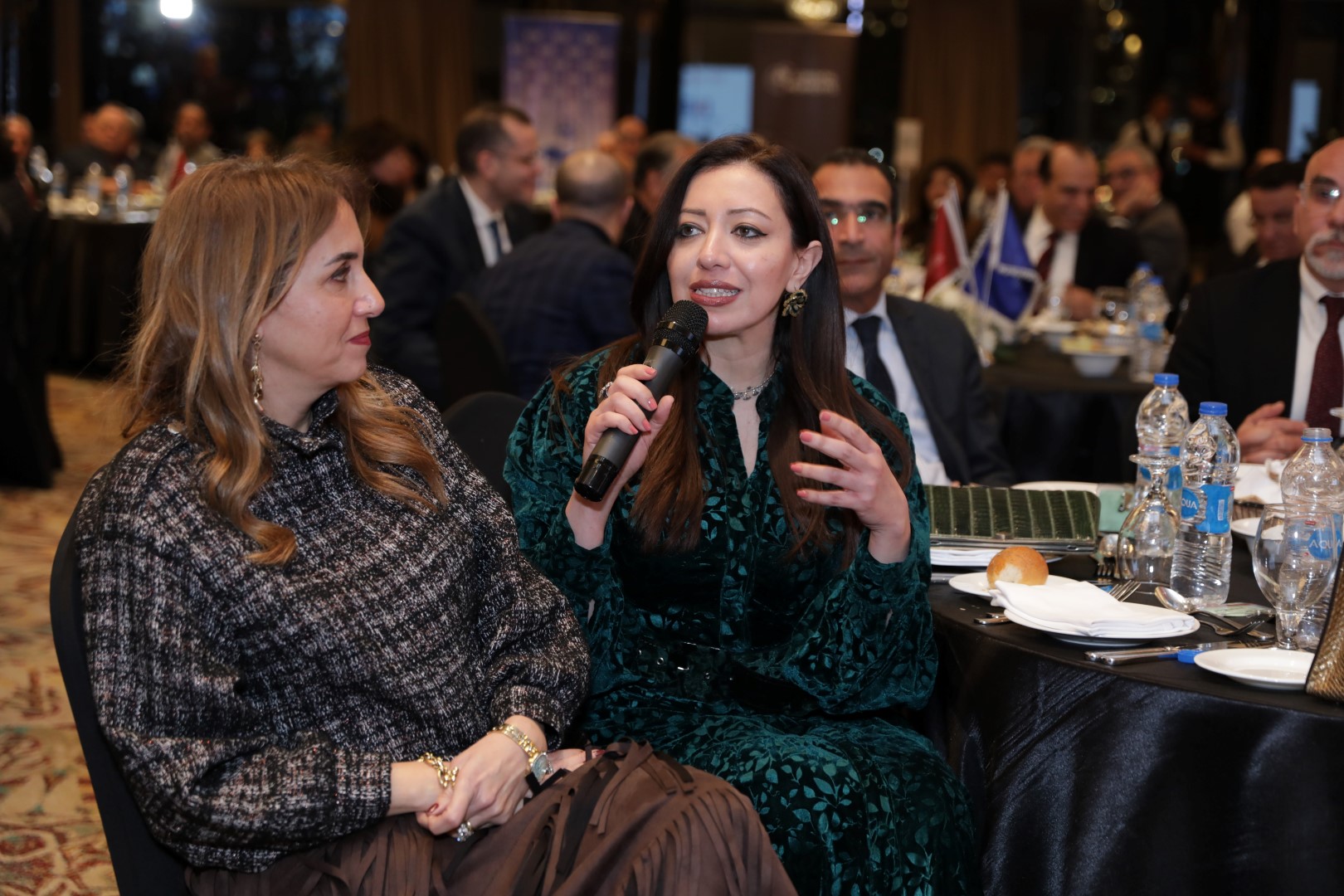
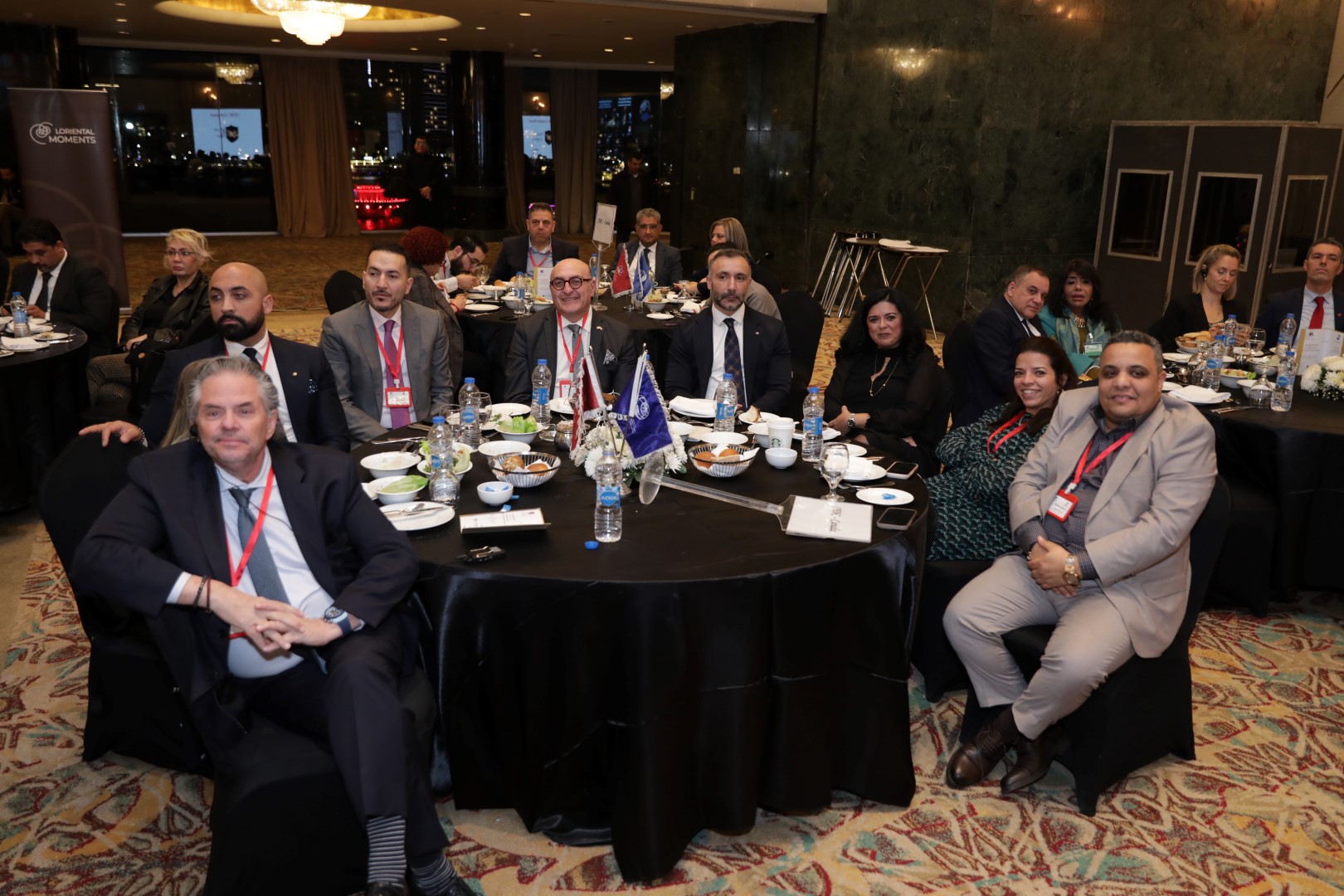
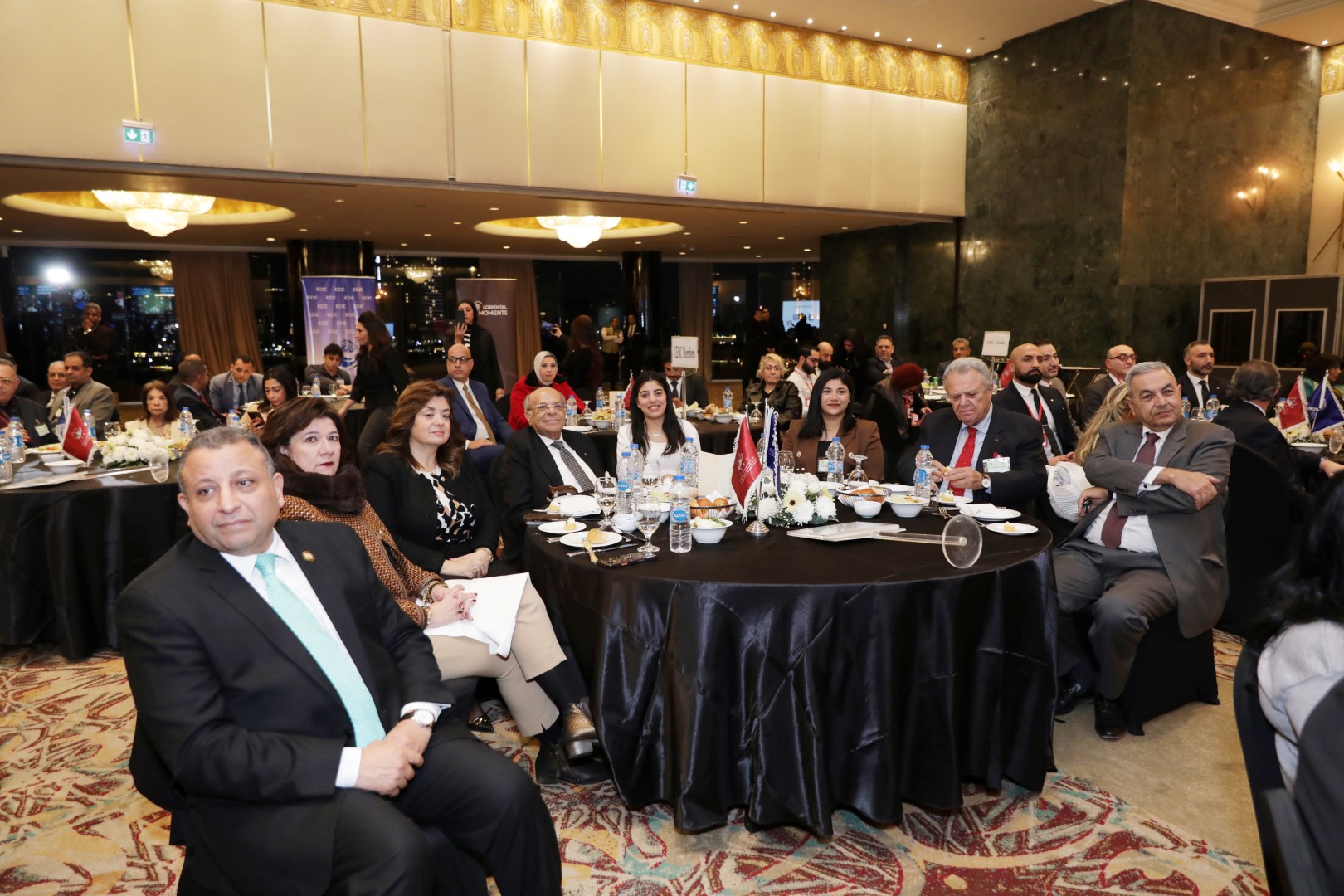
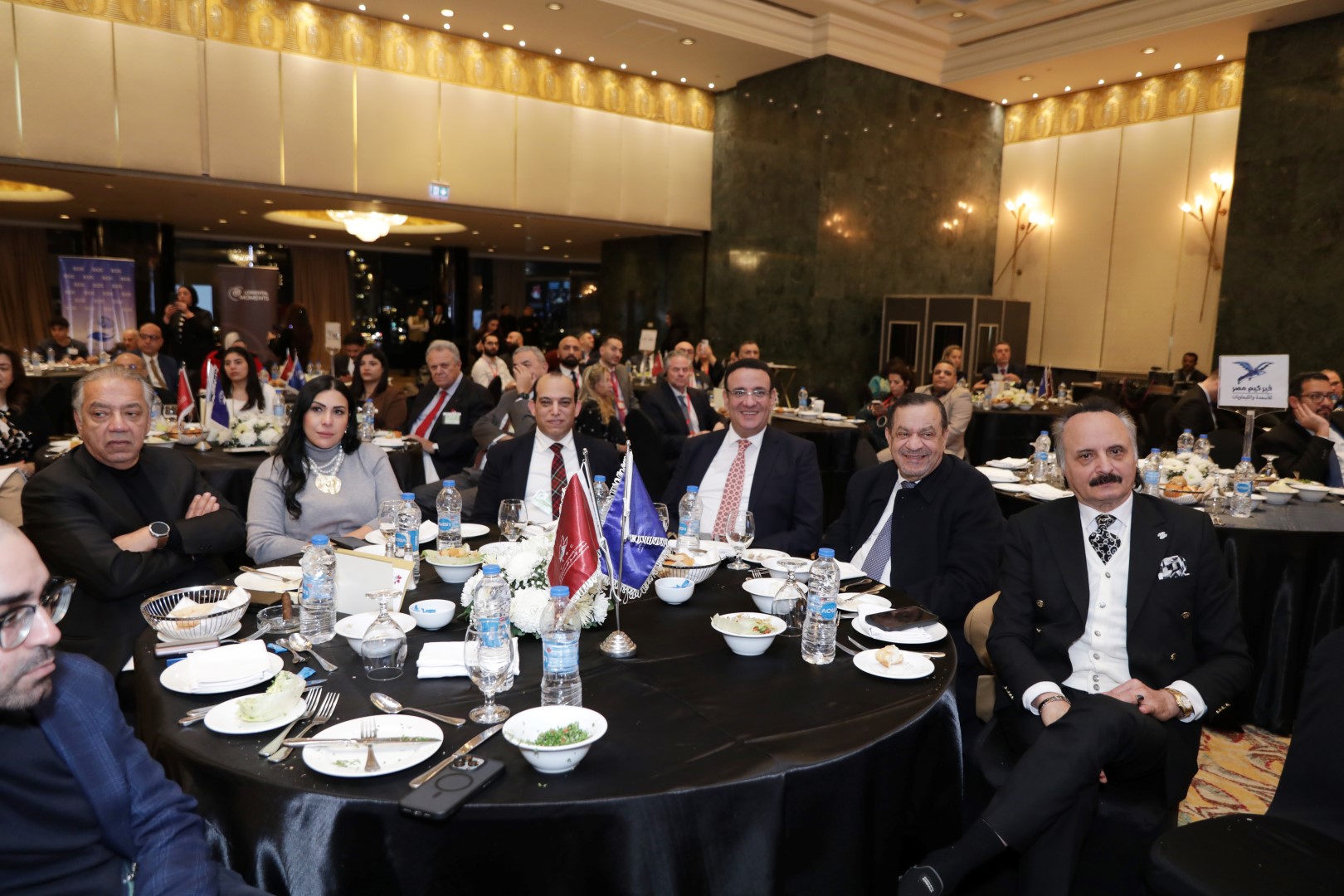
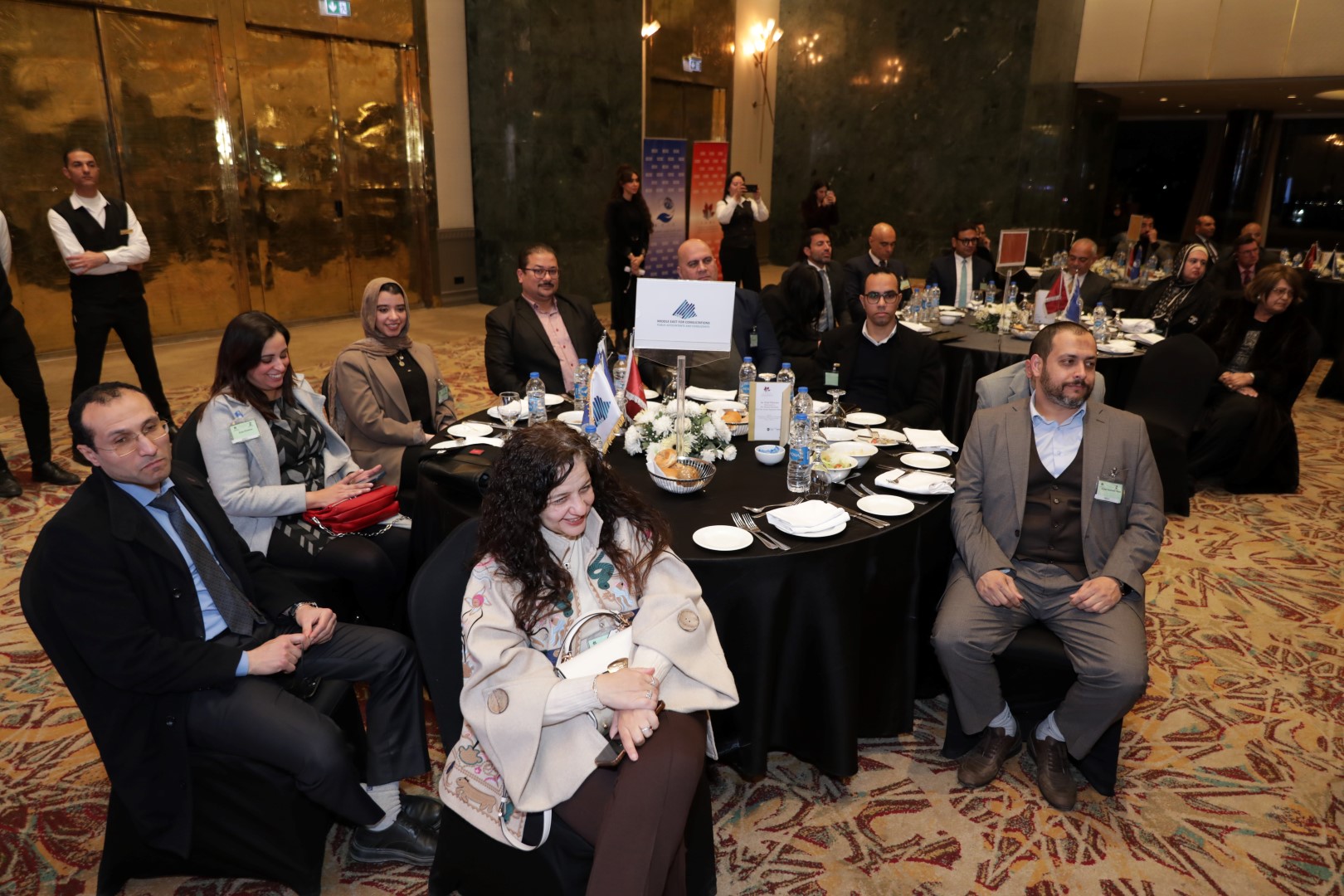
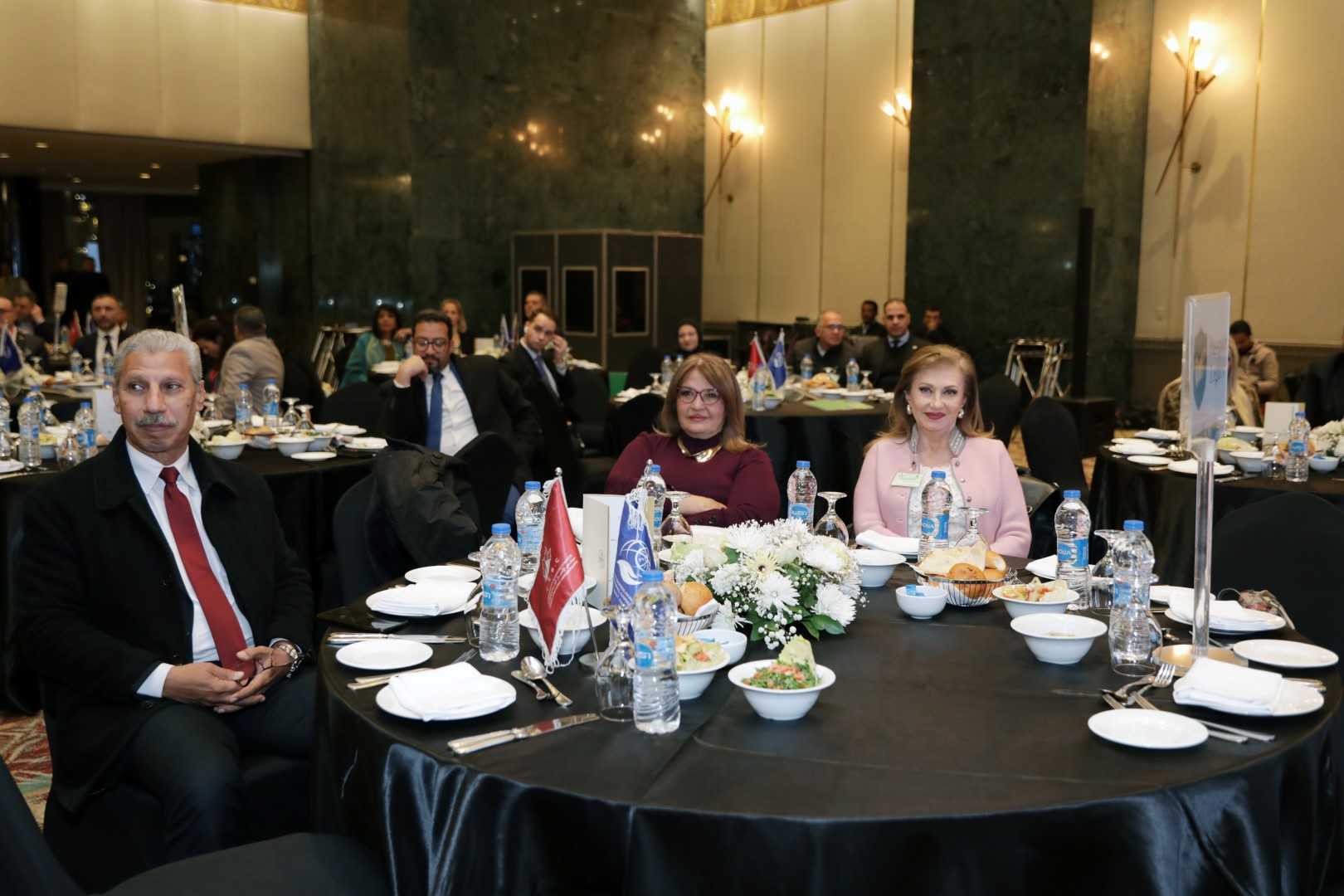
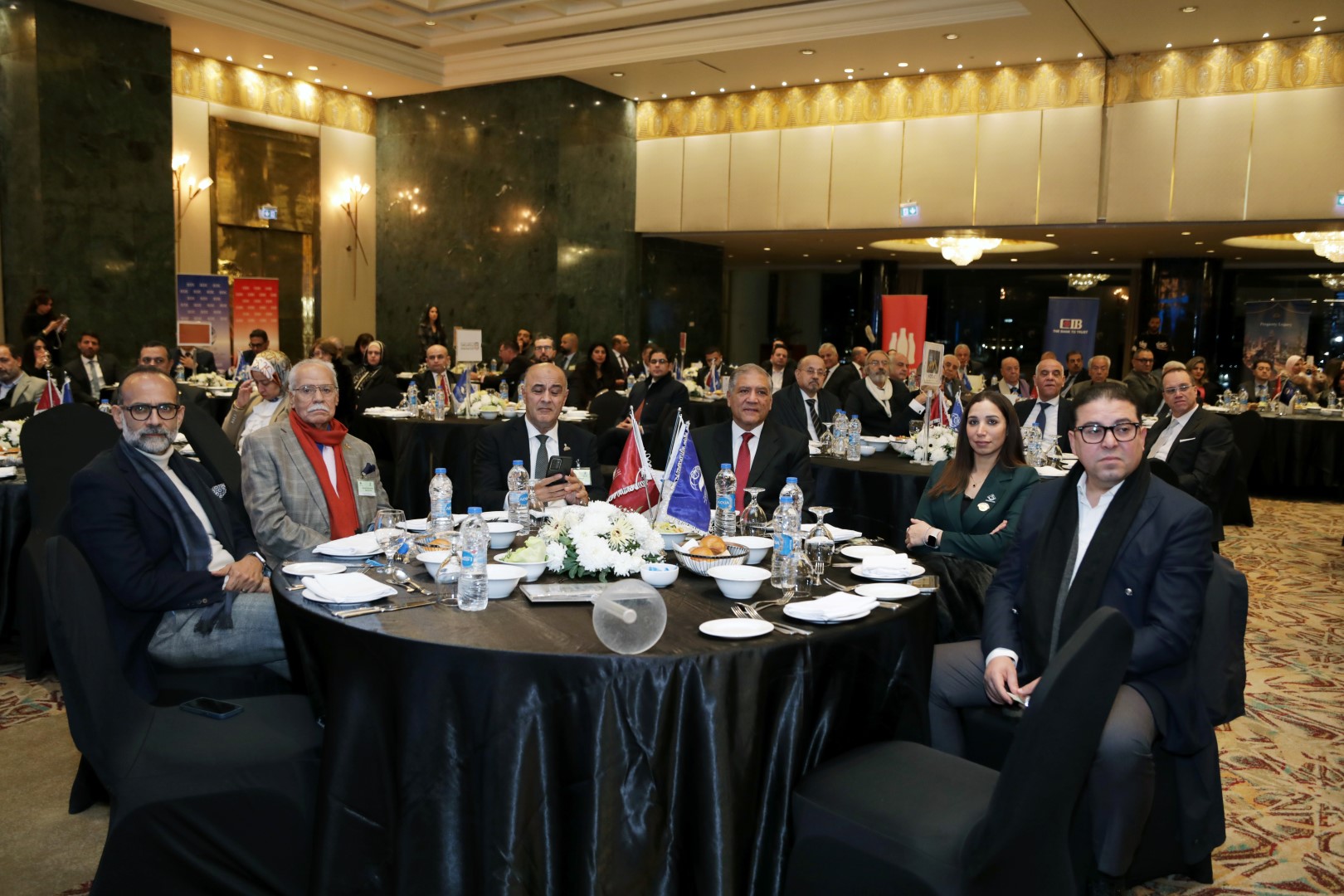
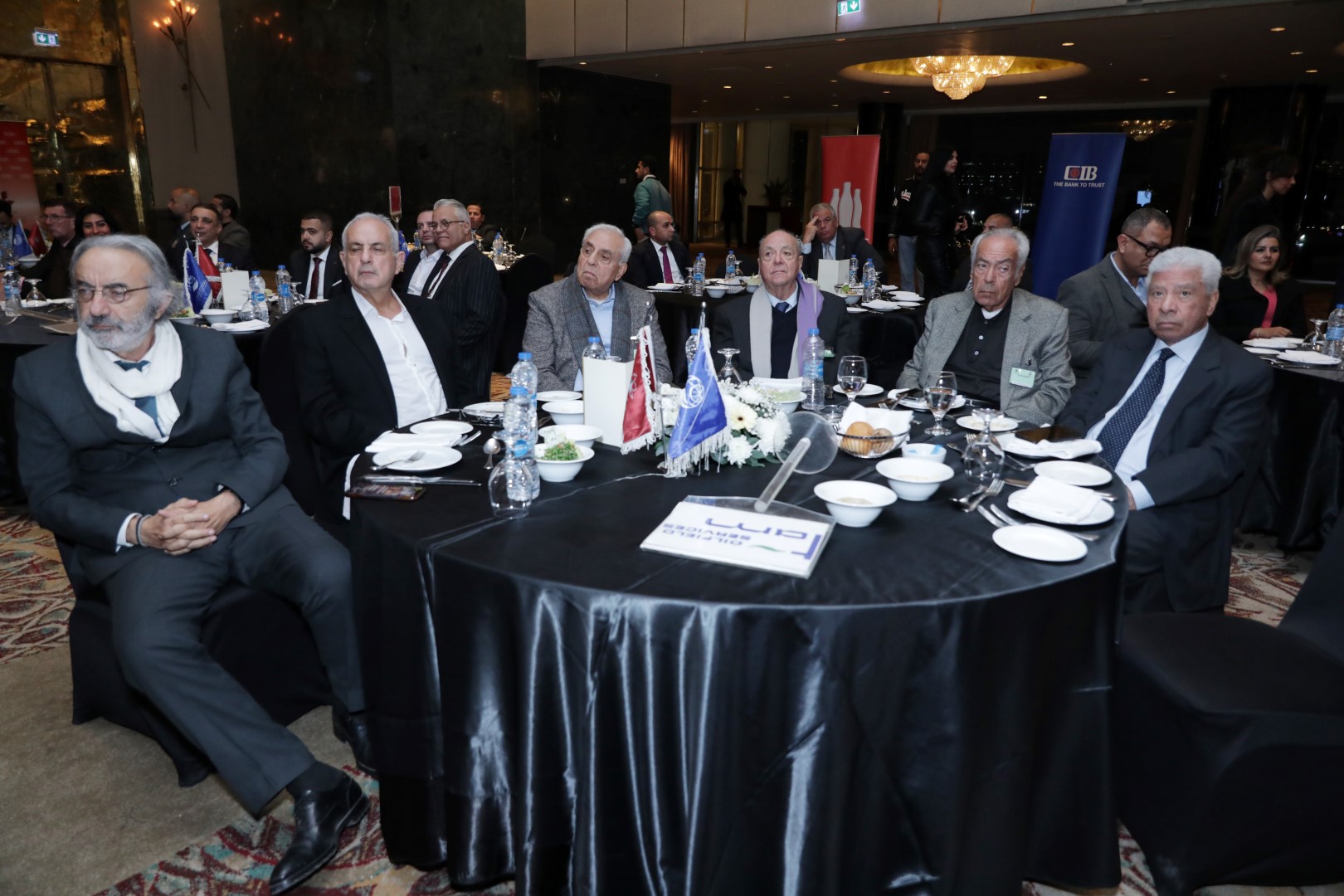
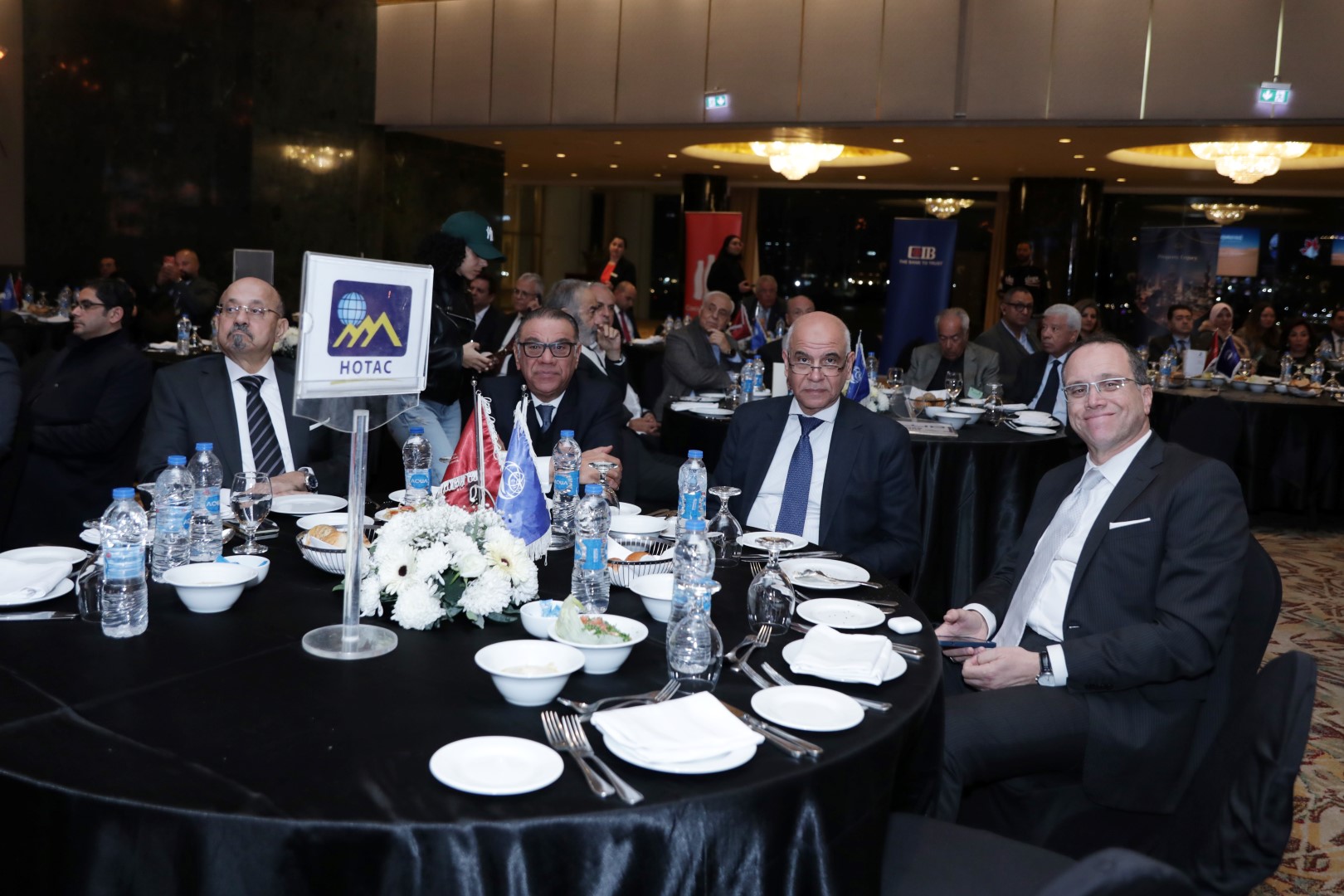
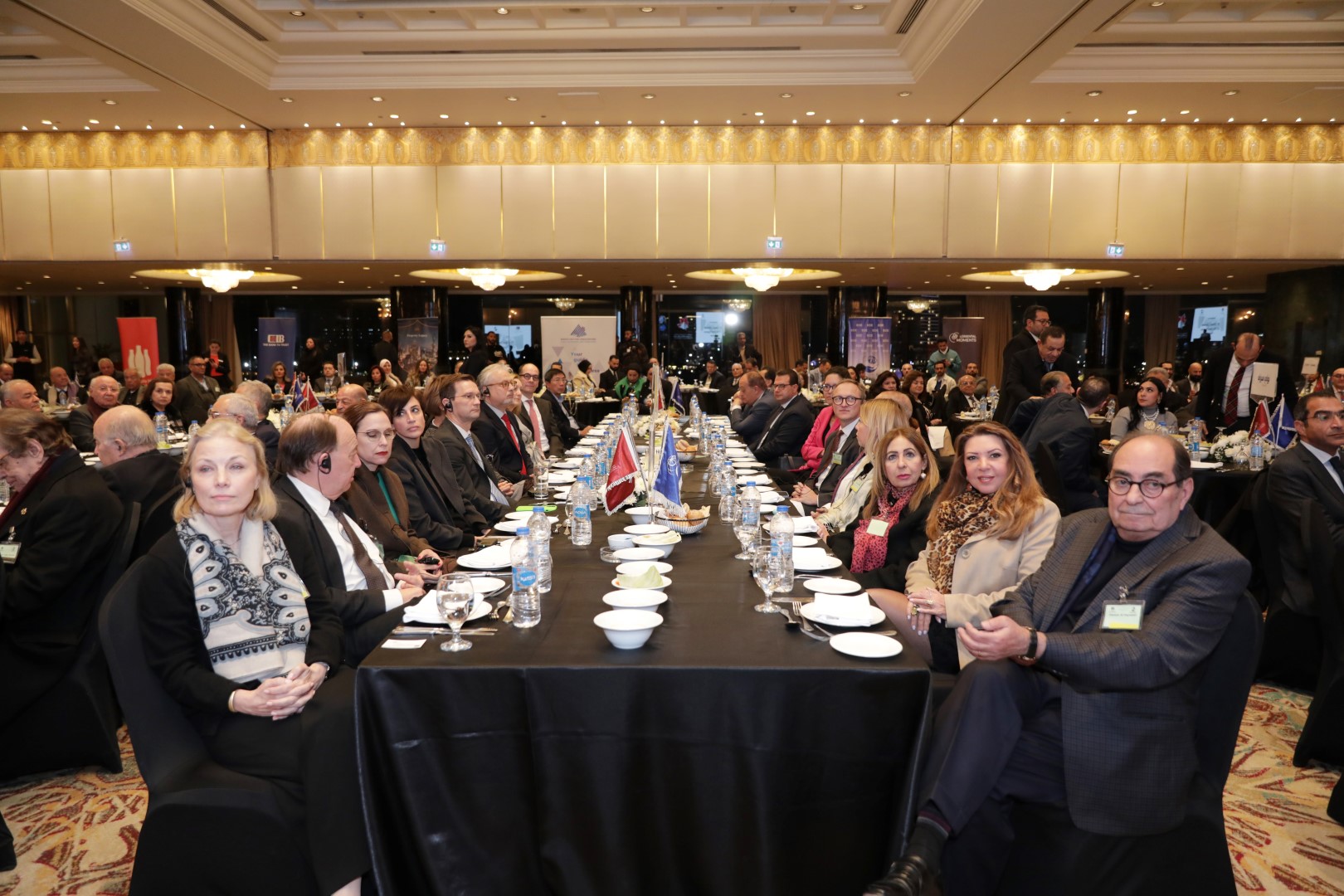
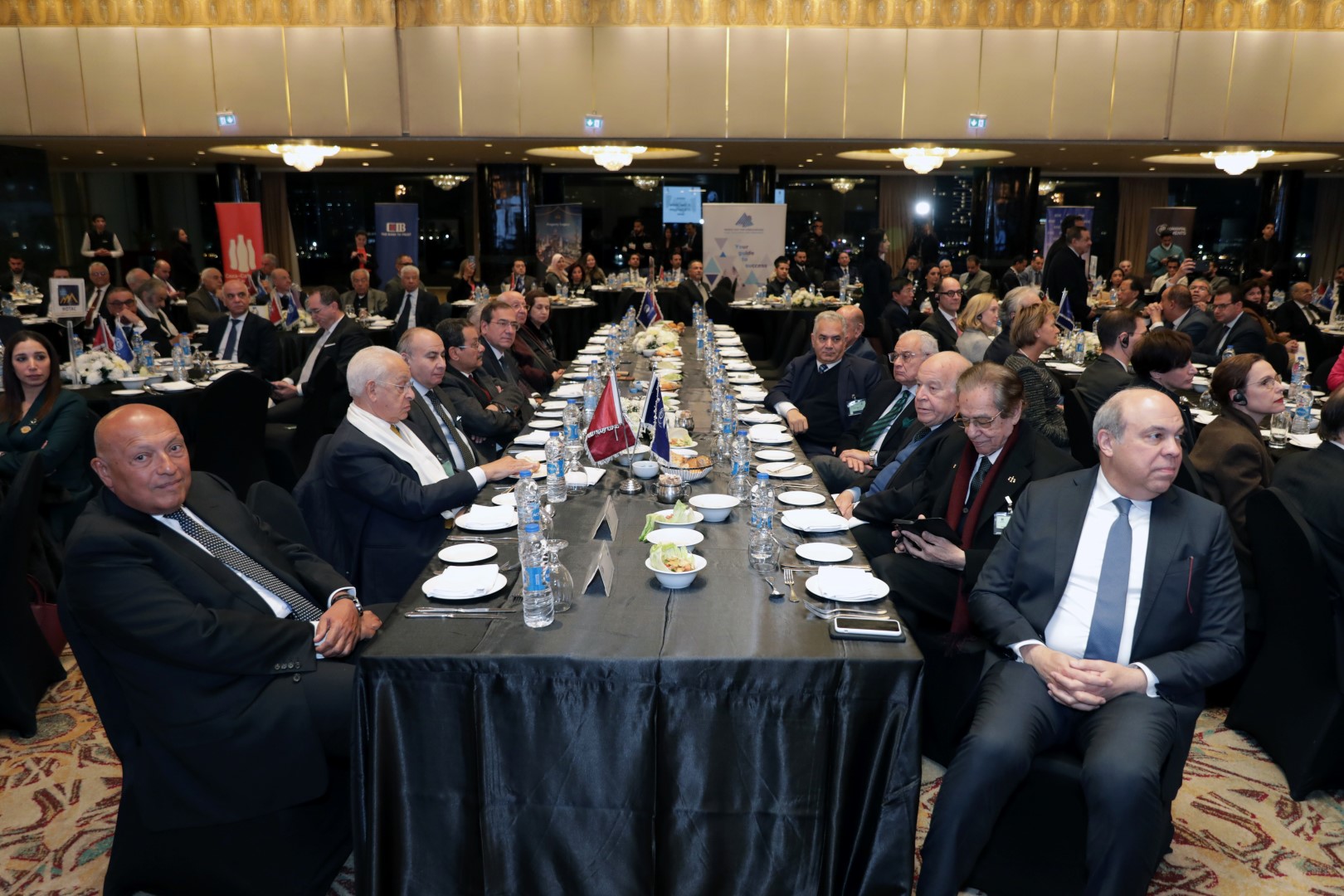
The seminar was attended by current and former governors, ambassadors, and business leaders, with a prominent presence of our CEBC – Canada Branch, led by a distinguished delegation of top leaders from the Canadian economy, in addition to former ministers, members of Parliament and Senate, and representatives of the private sector.
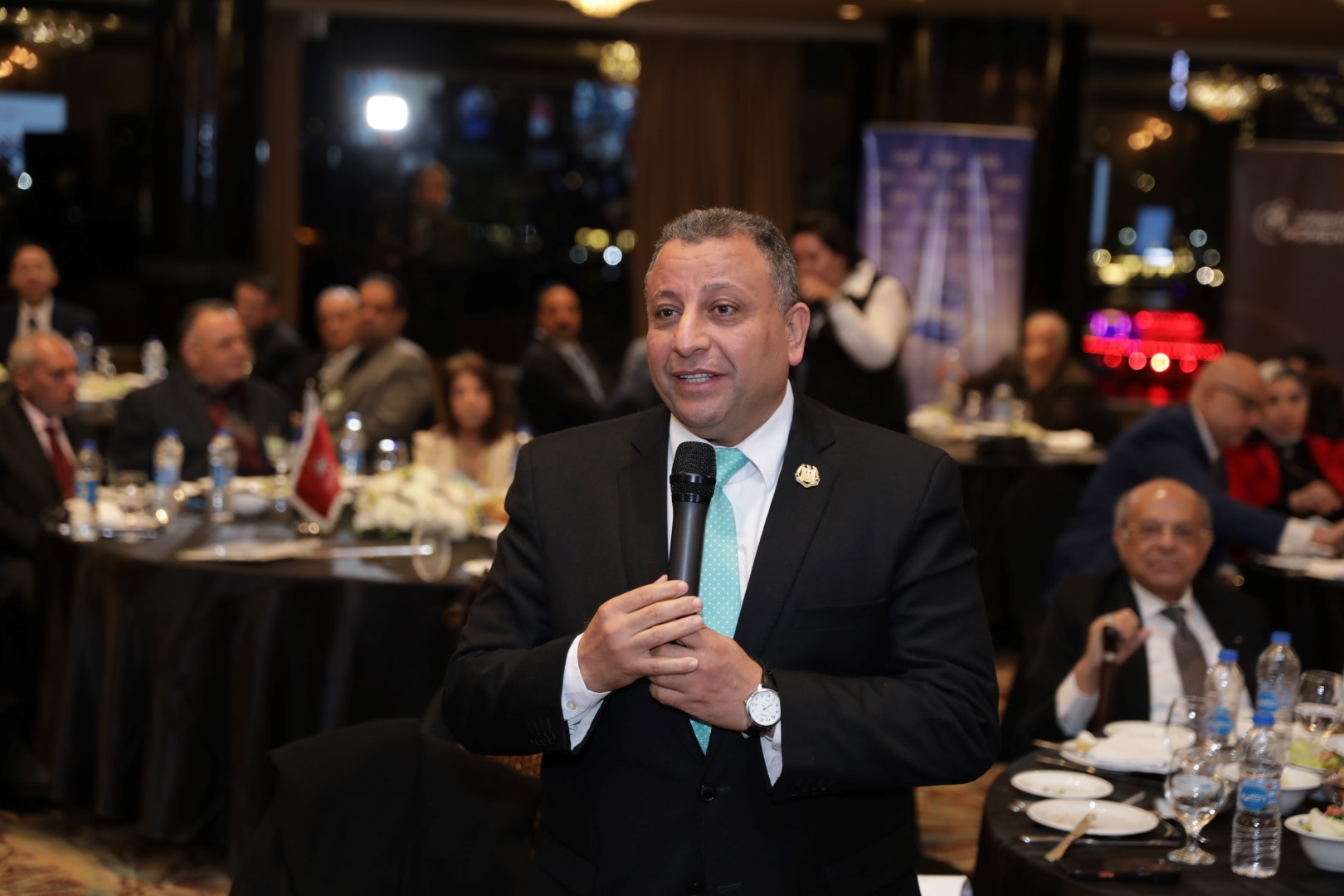
During his remarks, Dr. Ahmed Ghoneim stated that the Grand Egyptian Museum aims to attract approximately six million visitors annually. He emphasized that the Museum operates in accordance with the highest international standards and within its designed capacity to ensure a fully integrated cultural and tourism experience. He further highlighted that the Museum being the largest museum in the world dedicated to a single civilization plays a pivotal role in supporting Egypt’s tourism sector and stimulating the national economy. He also noted that it houses the largest regional conservation center for the restoration and preservation of antiquities.
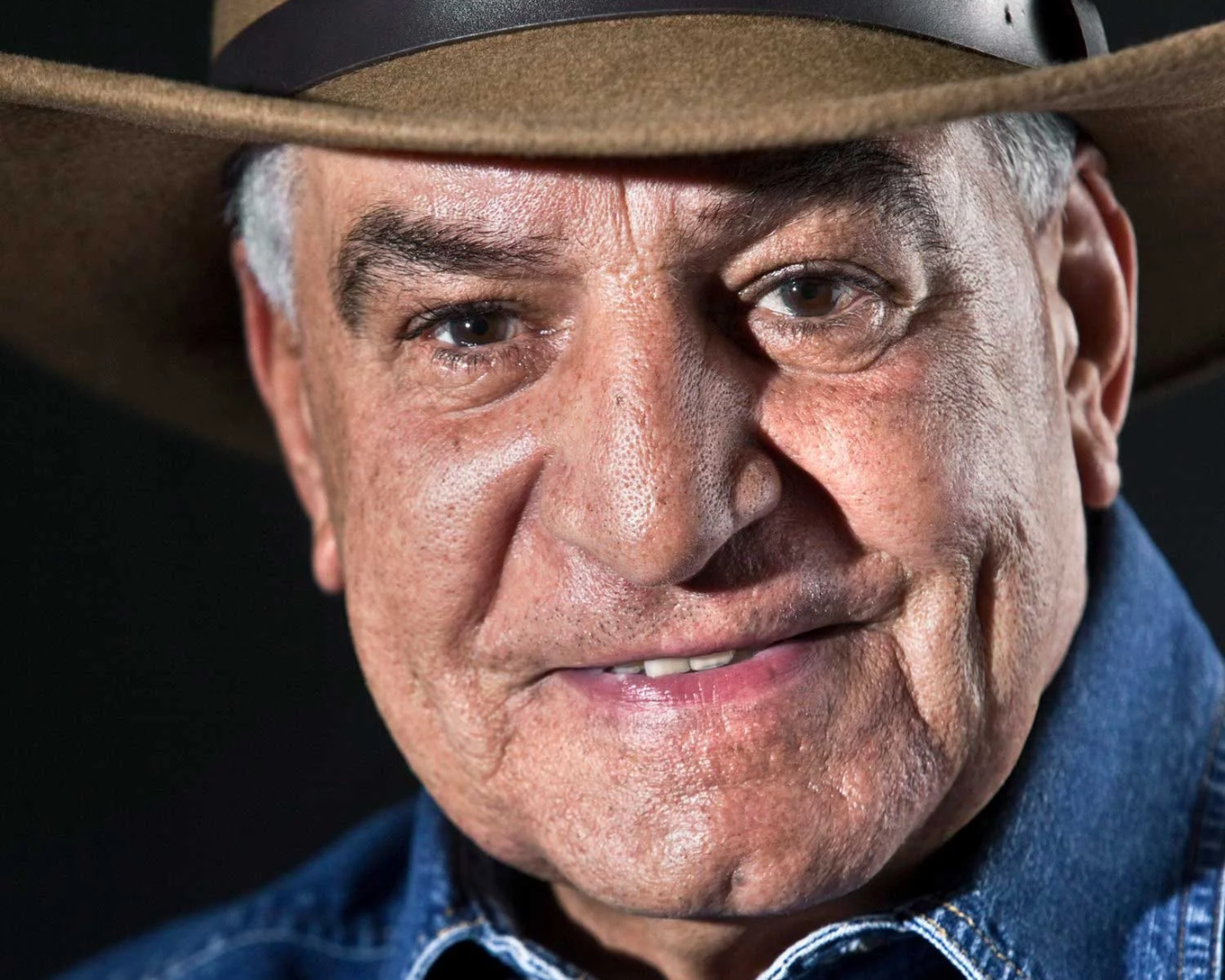
For his part, Dr. Zahi Hawass reviewed the latest findings from ongoing scientific research inside the Pyramid of Khufu, affirming that exploration and scanning efforts continue using the most advanced technologies. He pointed to the potential for new archaeological discoveries that could contribute to rewriting aspects of ancient Egyptian history. Dr. Hawass also stressed that the discovery of workers’ tombs provides conclusive scientific evidence that the ancient Egyptians were the true builders of the pyramids, refuting unscientific claims to the contrary.
Both speakers affirmed that major archaeological discoveries represent a fundamental pillar in Egypt’s tourism promotion strategy—not merely as scientific achievements, but as civilizational messages reflecting the depth and uniqueness of Egypt’s heritage. Such discoveries contribute to increasing the average tourist expenditure and enhancing the marketing value of Egypt as a premier global destination.
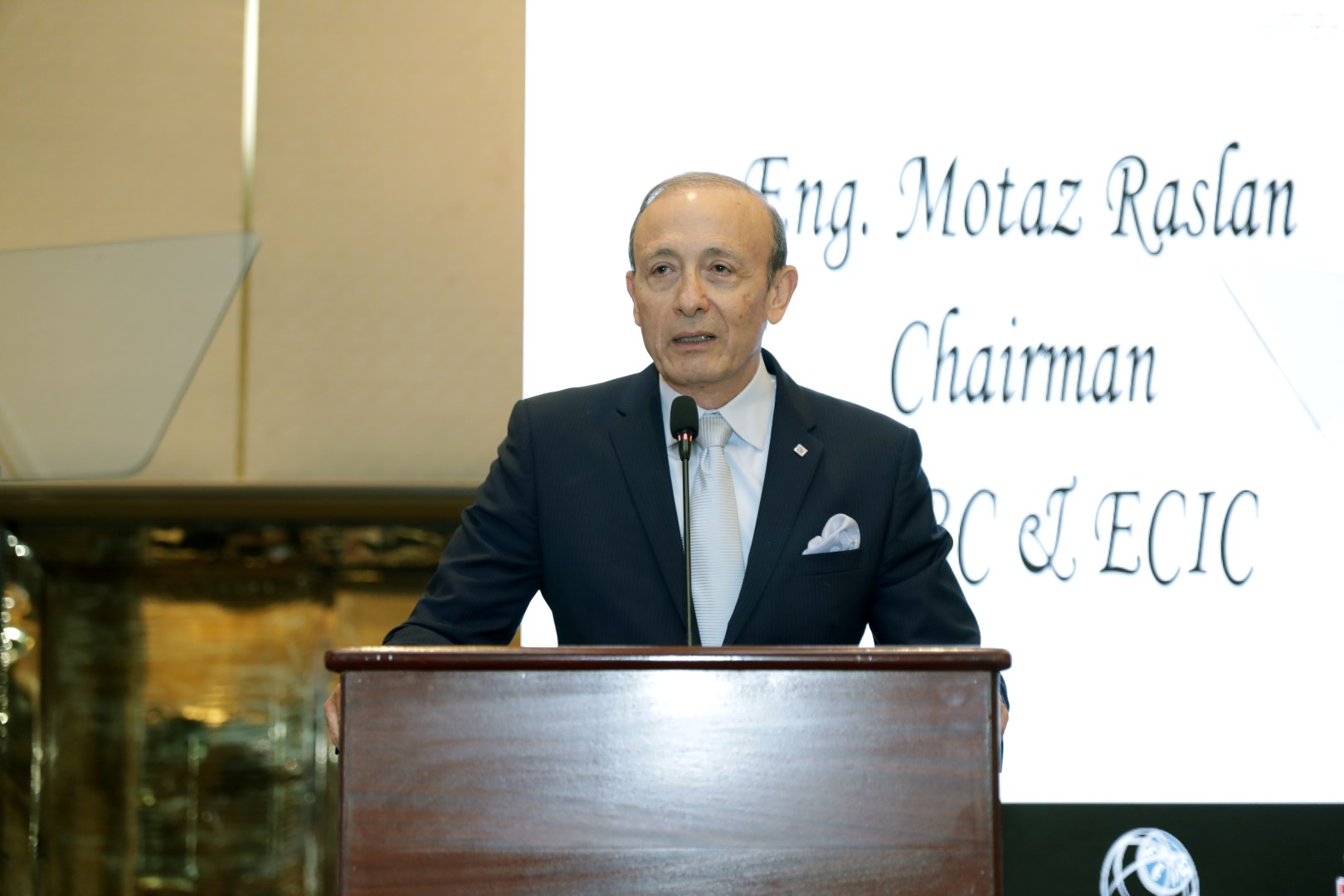
Eng. Moataz Raslan emphasized that the private sector is a key partner in supporting the State’s efforts to develop tourism and cultural investment. He reaffirmed the Councils’ commitment to organizing high-level events that highlight promising opportunities in the tourism and antiquities sectors and strengthen cooperation between the business community and national institutions.
The seminar concluded with a strong call for continued collaboration between the government and the private sector to maximize the economic benefits of Egypt’s unique cultural assets and further solidify its position as a global hub for culture and tourism.