
Date
Speaker(s)
Designation
Invitation
Description
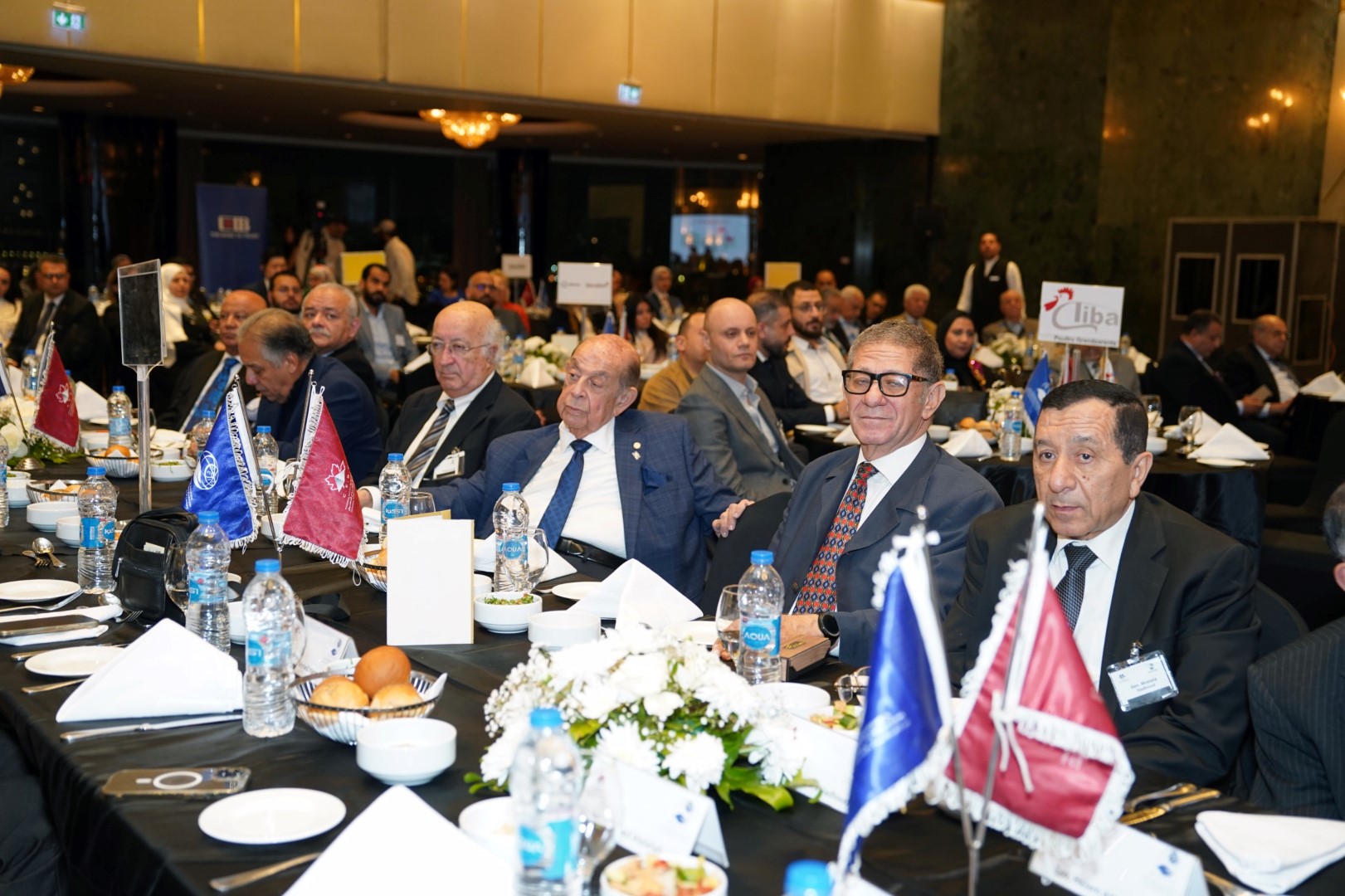
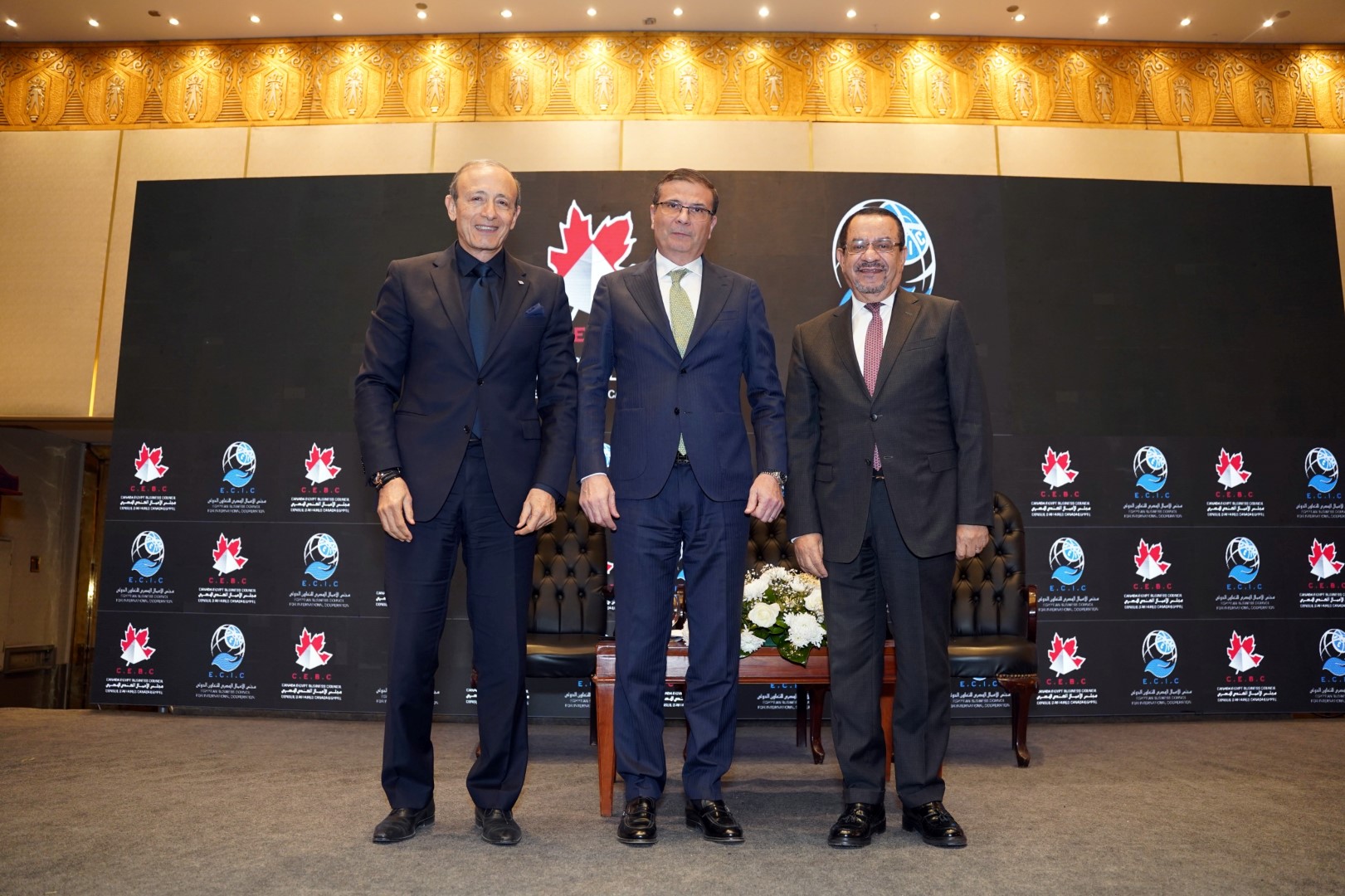
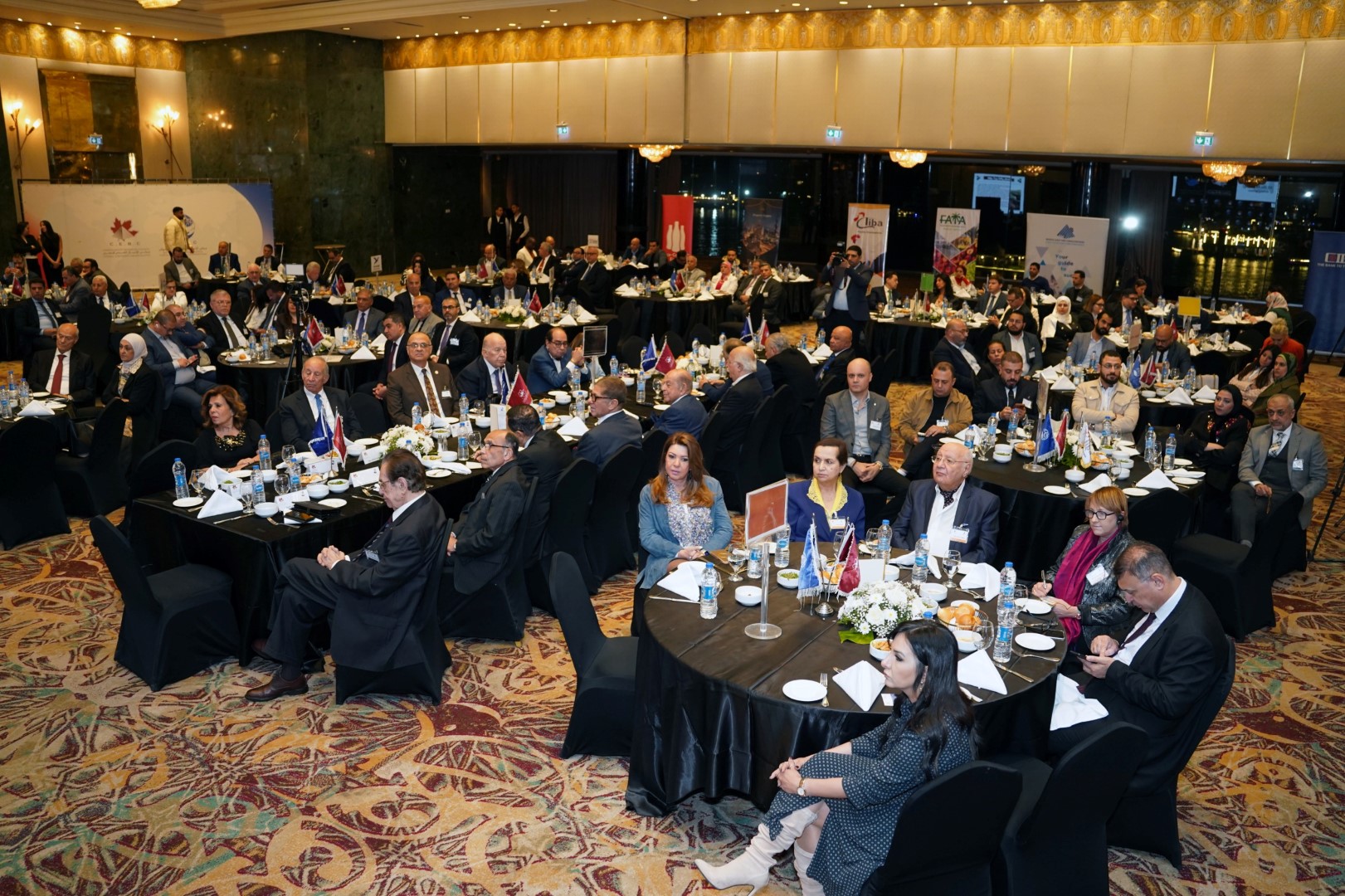
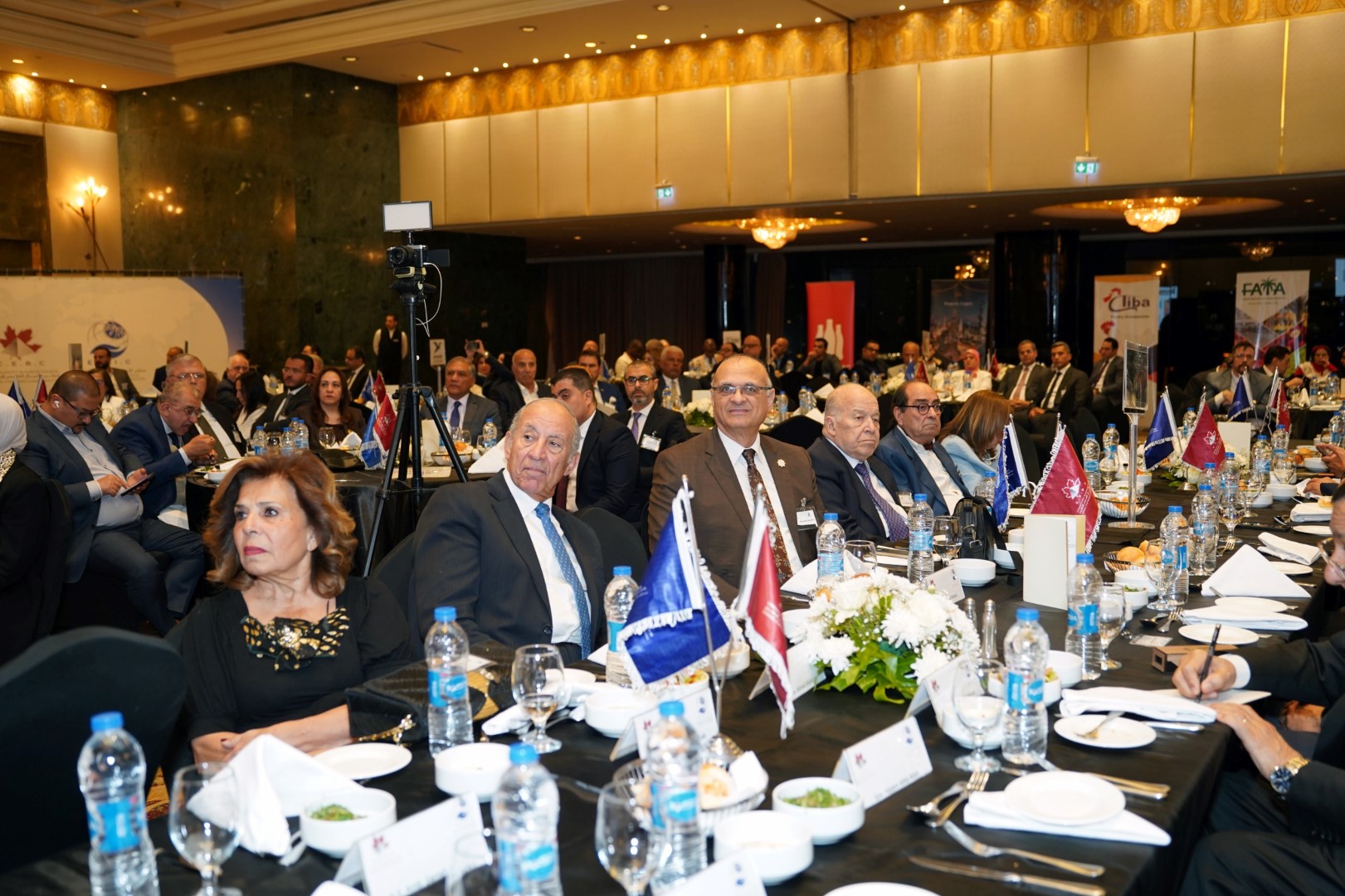
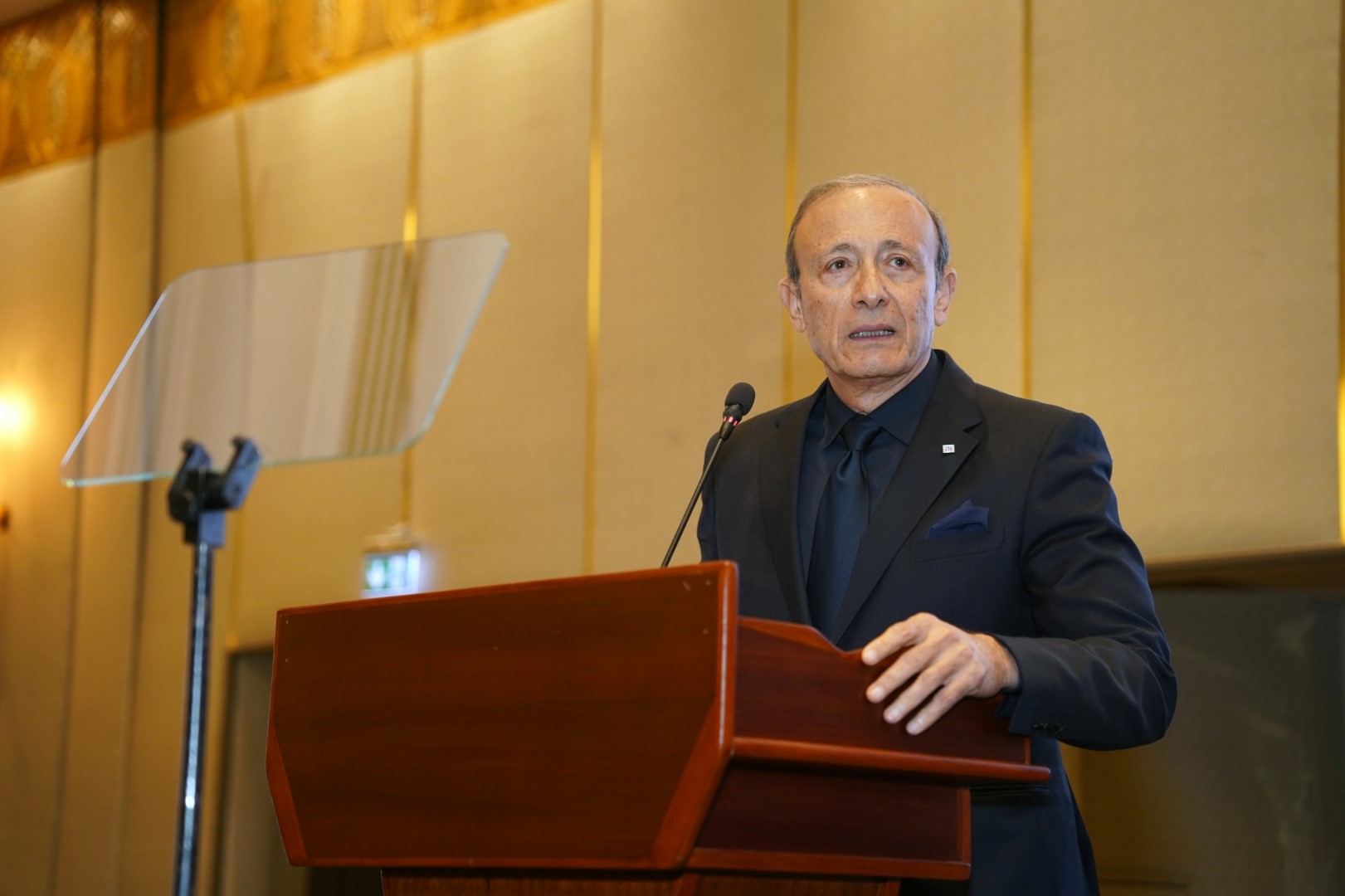
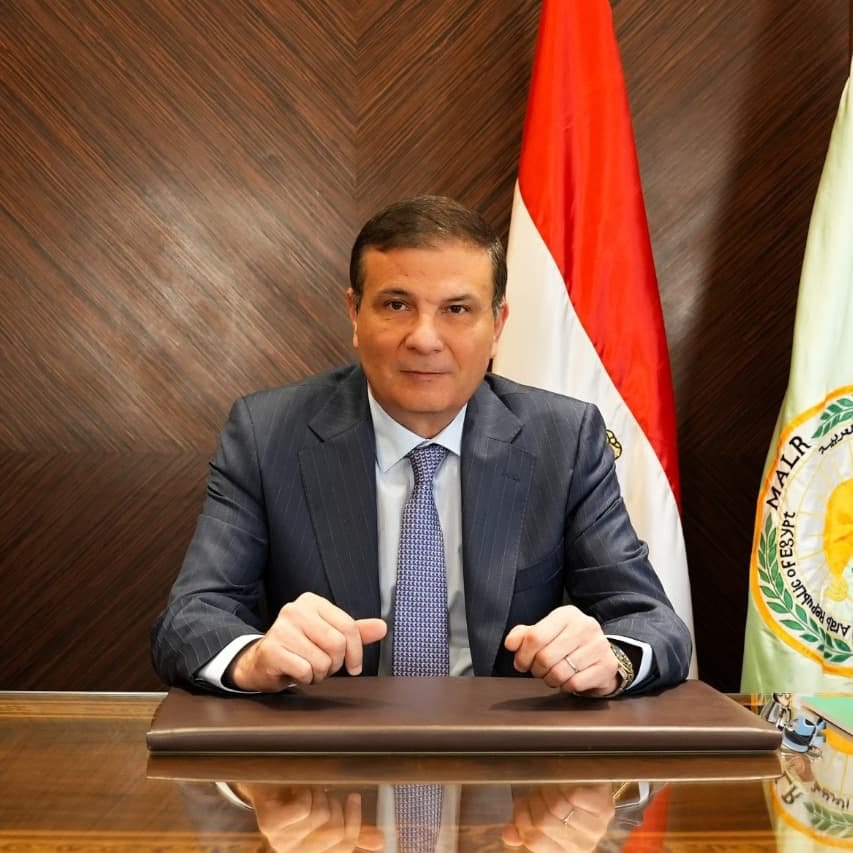
The Canada Egypt Business Council (CEBC), chaired by Eng. Moataz Raslan, hosted a seminar featuring H.E. Mr. Alaa Farouk, Minister of Agriculture and Land Reclamation, to discuss “The Ministry’s Strategy Amid Current Challenges.” The discussion emphasized that Egypt’s food security is a matter of national sovereignty, directly linked to the country’s ability to make independent strategic decisions.
Eng. Moataz Raslan opened the seminar by stressing that “A nation that cannot secure its own food cannot secure its own decisions.” He noted that the agricultural sector currently contributes approximately 15% of Egypt’s Gross Domestic Product (GDP) and employs nearly one-quarter of the country’s workforce. He also highlighted the remarkable growth of Egypt’s agricultural exports, which reached 9.5 million tons during the previous year.
Eng. Raslan expressed his appreciation to H.E. Minister Alaa Farouk for accepting the Council’s invitation at a time when concerns regarding Egypt’s food security have become increasingly important in light of the escalating regional conflicts.
During his presentation, H.E. the Minister outlined the Ministry of Agriculture and Land Reclamation’s comprehensive national strategy, which places food security at the core of Egypt’s national sovereignty. The strategy is built upon five integrated pillars:
Horizontal expansion through the reclamation and cultivation of new agricultural lands.
Vertical expansion by improving crop varieties and utilizing modern technologies to increase productivity per unit of cultivated land.
Development of the livestock, poultry, and fisheries sectors to reduce dependence on imported animal protein.
Enhancing agricultural export competitiveness by expanding access to international markets for Egyptian agricultural products.
Digital transformation and agricultural extension services, aimed at modernizing farming practices through digital platforms, accurate agricultural data, and artificial intelligence to ensure the sustainable management of resources.
The Minister then reviewed the Ministry’s key achievements and ongoing initiatives, including:
Land Reclamation and Irrigation
Egypt’s cultivated area has now reached approximately 10 million feddans.
More than 3.5 million additional feddans are currently being reclaimed under major national projects in the New Delta, Toshka, and Sinai.
Modern irrigation systems have been implemented across 477,000 feddans, while on-farm irrigation has been upgraded on an additional 250,000 feddans.
Seed Development and Agricultural Innovation
Seventeen new crop varieties were developed and officially registered during 2025.
An additional fourteen varieties are currently undergoing registration during 2026.
The Arab Alliance for Potato Seed Production aims to locally produce 70% of Egypt’s potato seed requirements.
Fertilizer Governance and Digitalization
The Ministry has fully implemented an electronic payment system for fertilizer distribution, with nationwide implementation targeted by April 2026.
The “Farmer Card” system currently includes approximately 4.3 million registered landholders and digitally links 8.4 million feddans, ensuring that subsidies reach eligible beneficiaries efficiently.
Livestock and Poultry Development
The Ministry aims to increase the national herd to 10 million high-productivity cattle by 2029, enabling Egypt to meet approximately 70% of its domestic red meat demand.
Egypt has already achieved approximately 98% self-sufficiency in poultry production and 100% self-sufficiency in table eggs.
The Minister also highlighted the expansion of the contract farming system to cover approximately 700,000 feddans in cooperation with 42 companies, providing farmers with guaranteed and sustainable returns for strategic crops such as wheat, maize, and soybeans.
Regarding pesticide regulation, he noted that more than 16,000 agricultural input outlets were inspected during 2025. The Ministry continues to address challenges related to the shortage of inspectors while working to grant them judicial enforcement authority.
The Minister further explained that despite Egypt’s growing population of approximately 108 million citizens, in addition to around 9 million guests, including refugees and migrants, the country has successfully achieved self-sufficiency in fresh milk, table eggs, poultry, rice, and sugar. The Ministry’s future targets include increasing self-sufficiency to 50% for wheat, 55% for maize, and 60% for red meat.
In his concluding remarks, Eng. Moataz Raslan emphasized that food security is no longer merely an agricultural or production issue but has become a strategic matter of national sovereignty, directly linked to the country’s economic stability and social resilience.
He concluded by affirming that agriculture remains the foundation of Egypt’s civilization, echoing Ibn Khaldun’s description of farming as “the origin of civilization.” He expressed his hope that the seminar would generate practical recommendations that support Egypt’s development agenda and long-term stability.
He then opened the floor for questions and discussion.